Women in Safety, evaluation of the project to support women who have survived gender-based violence in Rome
Title WOMEN IN SAFETY – accoglienza e protezione in emergenza per donne vittime di violenza
Location Rome, Italy
Partners Girotondo Soc. Coop. Soc. Onlus,
Funding Fondo Beneficenza Intesa Sanpaolo
Context
The Women in Safety project aims to tackle gender-based violence through measures to protect women and children, by strengthening the local community’s capacity to provide an immediate response to women who have survived violence, through the establishment of emergency shelter and support services.
WiS therefore aims to promote support services for women who find themselves in a situation of urgent and immediate need for protection, and to encourage the reporting of gender-based violence.
The project includes the La Mongolfiera Emergency Shelter: a facility established to guarantee immediate access to protection for women who have survived male violence and for children who have often witnessed such violence.
‘La Mongolfiera’ is therefore a safe space where women and children – referred by the police, A&E departments, anti-violence centres, social services, etc. – can immediately escape the control of the perpetrator and regain a sense of safety, be listened to and reclaim their self-determination.
Together with the three anti-violence centres and the two anti-violence helpdesks run by the Cooperative, the ‘La Mongolfiera’ emergency shelter therefore aims to address some of the key issues relating to the support of women who are victims of violence, such as the structural shortage of places in women’s refuges and the slowness of protection procedures.
General Objective
The M&E and Impact Assessment Unit was tasked with carrying out the final project evaluation, identifying strengths and weaknesses, examining in detail what works and what does not, and the underlying reasons, and promoting learning processes.
Our contribution
To carry out the evaluation, the ARCO research team adopted qualitative methodologies designed to place women’s experiences at the centre and to reduce the power imbalances typical of traditional evaluation processes. Focus group discussions, semi-structured interviews, storytelling and case studies were used as tools to hear directly from the project’s beneficiaries, female staff and partners within the local network.
These qualitative tools were complemented by document analysis and the analysis of monitoring data, ensuring data triangulation to reconstruct the complexity of the context
The research emphasised feminist participatory methods, based on the co-construction of knowledge: the beneficiaries and stakeholders were involved not only as sources of data but as active participants in the evaluation process. The women’s stories were listened to with the facilitators acting as mediators, taking into account the pace, wishes, limitations and emotional burden of each participant.
Particular attention was paid to ensuring the ethical conduct of data collection, guaranteeing a safe and non-intrusive process. Measures were put in place to prevent any form of secondary victimisation: care was taken in the wording of the questions, attention was paid to the selection of participants, their physical and emotional safety, and the management of potential triggers. The approach adopted was empathetic, non-judgemental and based on active listening, recognising women as rights-holders rather than subjects of investigation.
 La valutazione femminista parte dal presupposto che il genere conta.
Related Projects
-

Women in Safety, evaluation of the project to support women who have survived gender-based violence in Rome
-
Evaluation of the project for the legal and emotional empowerment of women who have survived gender-based violence or are at risk of violence
-

Valutazione intermedia e finale del progetto “Bella Storia. La tua.” per la crescita culturale e personale dei giovani in Calabria e Campania
-

Final evaluation of the project to contrast educational poverty in Bergamo province
-

Final evaluation of the project fostering education, training and food security for Afghan women
-

Impact Evaluation of the Maziwa initiative that helps achieve food security in Meru County, Kenya
-

Evaluation of the project that promotes inclusive education for street connected children and/or children with disabilities in Kenya
-

Support for the creation of a feminist monitoring and evaluation framework for the Rel.Azioni Positive Anti-Violence Centre
-

Evaluation of the No More Violence project promoting quality services for women victims of gender-based violence
-

Evaluation of the call “A Braccia Aperte” for systemic multidisciplinary intervention to support special orphans
-

Accompanying the digitisation process of monitoring and evaluating the project for the economic and social empowerment of women in SAHEL
-

Evaluation of the project Prato Comunità Educante that promotes the education growth of high school students in Prato
-

Monitoring Information System for project WATDEV on water management and sustainable development in East Africa
-

Research on knowledge, attitude, social norms and practice on reproductive health rights and gender-based violence in Narok county, in Kenya
-

Evaluation of the project that promotes food security and climate resilience in Mozambique
-
Evaluation and training for the REACH OUT project staff that aims at strengthening migrants’ right to health in Italy, Greece and Malta
-
Final evaluation of the project that strengthens olive farmers’ resilience in Southern Lebanon
-
Social impact assessment of the Rapporti Corti project for socio-educational inclusion in the Navile district of Bologna
-

Evaluation of the Naseej project to stop gender-based violence in Iraq, Yemen, and Palestine
-
Evaluation of the project that promotes youth employment in Italy
-
Final evaluation of the ‘5G Smart School’ project for innovative teaching in Italian schools
-
Evaluation of the project that fosters mainstreaming migration into international cooperation and development policies
-

Final evaluation of a project to contrast educational poverty in Albania
-
Evaluation of the project PRODECREO to promote the rights and socio-occupational reintegration of women deprived of their liberty in the Dominican Republic
-
Final evaluation of the SOS Children’s Villages family strengthening project in Bosnia and Croatia
-
Final evaluation of the project that fosters proximity social-health services in the informal settlements of the Province of Foggia
-

Food Wave, Monitoring the project that promotes sustainable food consumption among young Europeans
-

Spazio Donna, evaluation of the projects to foster women empowerment and contrast gender-based violence
-

Evaluation of the projects “M’Interesso di Te” that tackle unaccompanied foreign minors’ integration
-
Evaluation of psycho-socio-sanitary interventions in response to the COVID-19 pandemic and the earthquake in Albania
-

Final evaluation of the Youth For Love project to raise young people’s awareness of gender-based violence
-
Multi-country mid-term evaluation of the YouthCan! programme, promoting the employability of vulnerable young people
-

Final evaluation of WEGO2 to support women economic empowerment contrasting intimate partner violence
-
Action Research for the project Do.N.N.E against gender-based violence in Central Italy
-

Evaluation of the project “Mentors for Resilience” to contrast educational poverty
-
Outcome Harvesting of the project that aims to promote stability and social enterprise in Lebanon
-
Annual evaluation and SROI of the programme “Nessuno Escluso” to contrast social exclusion and educational poverty in Tuscany
-
Evaluation of the project “Dreams and Needs” to contrast educational poverty in Italy
-
Mid-term evaluation of the project MilKy for the development of a sustainable dairy supply chain in Kenya
-
Final evaluation of Pe.R.Co.rrere: resilience of communities in Center Italy
-
Evaluation of the promotion campaign for Piave DOP cheese in Austria, Germany and Italy
-
Mid-term & final evaluation of a project to strengthen resilience to climate shocks in Kenya
-
Evaluation of the promotion campaign for Italian specialities in Japan
-
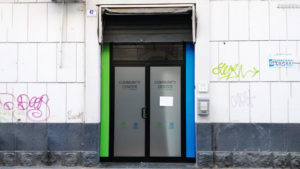
Community center, final evaluation of the social inclusion project
-
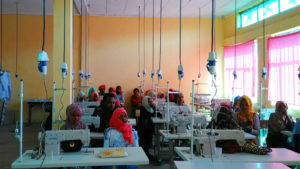
Mid-term evaluation of the project to contrast irregular migration in Ethiopia
-
Mid-term evaluation of the project for the conservation of Protected Areas in Albania
-
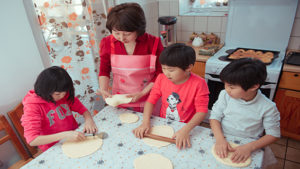
Social Impact Assessment of children’s protection programmes in Kyrgyzstan
-
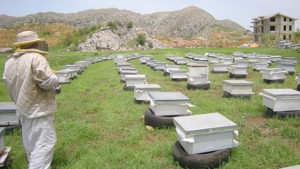
Monitoring&Evaluation of reintegration services for drug addicts and ex-addicts in Lebanon
-
SROI Analysis, Albergo Etico social performance
-
ECO.COM: strengthening local economic development in Bolivia
-

Improving the sustainability in the cherry supply chain in Bulgaria and Turkey
-
Evaluating sustainable agricultural supply chains in Bosnia Herzegovina and Albania
-
Impact evaluation of the creation of a durum wheat supply chain in Ethiopia
-
Impact evaluation of a Rehabilitation programme in India