SROI analysis and evaluation of the project aimed at contrasting food crises in Syria
Title Document analysis, SROI Assessment and Final External Evaluation of the project “ Istidamah – Providing Innovative Solutions to Strengthen Community Resilience in Syria ”
Location Syrian Arab Republic
Duration January 2025 – August 2026
Lead partner Oxfam Italia Onlus
Funding European Commission
Contesto
The overall objective of the Istidamah project is to increase systemic resilience to food crises and climate change in Syria by pursuing the following results:
- Increased sustainable production and productivity in agriculture and livestock farming through the reconstruction or provision of rural infrastructure, including the rehabilitation of irrigation systems and the provision of access to inputs, tools and equipment.
- Strengthening rural diversification through the provision of marketing services to project beneficiaries (farmers, producer groups, associations, cooperatives) with a value chain approach, particularly in the dairy, fodder and feed, cereals, fruit and vegetable sectors.
- Greater application of learning, innovation and improved technologies in food and nutrition security (FNS) and sustainable agriculture (SA) through the development of specific skills for project beneficiaries, such as sustainable agricultural practices, resilience to climate change, sustainable land and water management, processing techniques and the provision of an updated system with data and statistics on various topics (market, nutrition, food security, resilience, production) available at the intervention level.
Istidamah – Providing Innovative Solutions to Strengthen Community Resilience in Syria is a 36-month project funded by the European Union and implemented by Oxfam from March 2023 to February 2026. Oxfam has submitted a request for a no-cost extension of project activities until August 2026 and is awaiting an official response from the donor. The intervention is being implemented in Syria in the governorates of Deir Ez Zor and Rural Damascus. Oxfam’s initiative aims to contribute to Syria’s recovery by strengthening a people-centred approach and supporting the improvement of social cohesion in line with the ‘Reform, Recovery and Reconstruction Framework’ (3RF).
General objective
ARCO was involved by Oxfam in the project to provide consultancy services about three interrelated activities: an analysis of the value chains for cereals, fruit and vegetables, animal feed and fodder, and dairy products; a social impact assessment using the SROI (Social Return on Investment) methodology of one of the 4 value chains previously analysed and a final external evaluation of the project.
Our contribution
ARCO’s research team will analyse the four value chains identified to provide the project team with a descriptive document that includes a detailed profile of the supply chains themselves in the two governorates concerned – Deir Ez Zor and Rural Damascus – the main results of the documentary analysis and strategic recommendations.
The Social Return On Investment (SROI) assessment will focus specifically on one selected value chain in one of the two target areas to assess the project’s contribution to livelihoods, local economies, the environment and community resilience in a post-war context. In particular, the SROI analysis aims to understand the social value generated by the project, quantifying the financial and non-financial results it has helped to create and providing Oxfam staff with consistent information that will be useful for designing future interventions.
In parallel, the final external evaluation will provide an analysis of the relevance, coherence, effectiveness, efficiency, impact and sustainability of the project, with insights into the quality of the design, implementation and expected and unexpected results. ARCO will adopt an integrated and consistent methodological approach, using tools shared across the various activities and combining document analysis, participatory methods and qualitative and quantitative data collection, optimising time and resources.
The SROI analysis and final external evaluation will be completed between August and September 2026.
Read more on the Local Development Unit
Related Projects
-

Mapping social entrepreneurship and capacity building in social impact assessment in Egypt and Palestine
-

SROI analysis and evaluation of the project aimed at contrasting food crises in Syria
-

Training and capacity building on structuring the ESG strategy of Tuscan Cooperative Credit Banks
-

SROI Analysis for the association UGI -Unione Genitori Italiani contro il tumore dei bambini
-
BIlancio Sociale per la Pubblica Assistenza Società Riunite di Pisa
-
Consulenza organizzativa per la revisione strategica dell’organizzazione CISV
-

Analisi organizzativa e supporto all’elaborazione di un piano strategico per UGI
-

Consulenza organizzativa su Cultura Cooperativa per Gruppo Banca Etica
-
Consulenza organizzativa e percorsi partecipativi per Fondazione Caritas
-

SROI Analysis and the development of a ESG Rating System for Senegalese Social Enterprises
-
Developing enabling social enterprise ecosystem in Azerbaijan
-
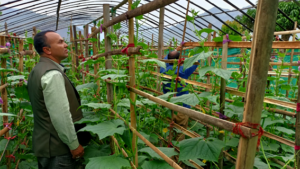
Development of the spices and seeds value chains to foster youth and women empowerment in Nepal
-
MedRISSE, social innovation and Social and Solidarity Economy policies in the Mediterranean
-

SIRCLES, fostering inclusive employment opportunities in the Circular Economy sector
-

Peace Steps in Palestine : mid-term evaluation & Support to the creation of an Ethical Charter
-
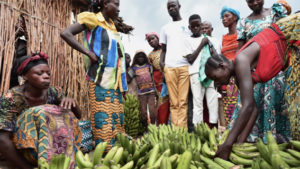
Creating social business to develop the agro-industrial supply chain in Senegal
-

Mid-term Evaluation of the project to foster enabling ecosystems for social enterprises in the MENA Region
-

SROI analysis for the Consortium COOB in Tuscany
-
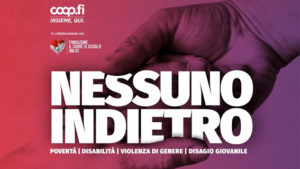
Social Impact Assessment of Nessuno Indietro, the project that supports Third Sector bodies amid pandemic in Tuscany
-

Social Report for the year 2018 of the Fondazione Opera Santa Rita
-

Social Impact Assessment of children’s protection programmes in Kyrgyzstan
-
SROI Analysis, Albergo Etico social performance
-
Promoting inclusive business and social entrepreneurship in Palestine
-
Promoting social business at the local level: Pistoia Social Business City
-

SROI analysis of Ronald McDonald Houses
-
Market analysis of social businesses in Mozambique and Tanzania
-
The European research project to develop social entrepreneurship and social enterprises